
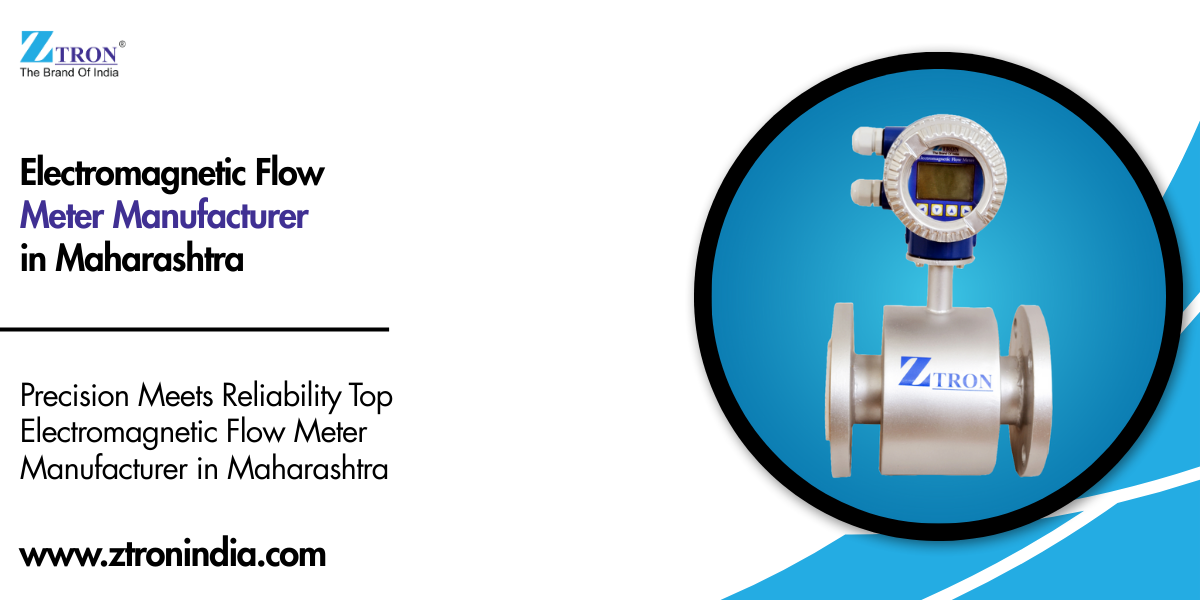
Electromagnetic Flow Meter Manufacturer in Maharashtra
13
January 2026

Electromagnetic Flow Meter Manufacturer in Maharashtra

Electromagnetic Flow Meter Manufacturer in Maharashtra

Electromagnetic Flow Meter Manufacturer in Maharashtra

Introduction

Incepted in the year 2016 at Ahmedabad (Gujarat, India), we “Major Instruments” are a Partnership firm that is an affluent manufacturer of a wide array of Industrial Flow Meter and Level Instruments.

Accurate fluid flow measurement and management are essential for cost, safety, and efficiency in today’s industrial environment. Accurate flow measurement guarantees operational excellence in a variety of industries, including medicine, food and beverage production, chemical processing, and water treatment. Major Instruments, a top manufacturer of electromagnetic flow meters in Maharashtra, can help with this by providing innovative solutions that are suited to a variety of industrial requirements. We are the best Electromagnetic Flow Meter Supplier.

What is an Electromagnetic Flow Meter

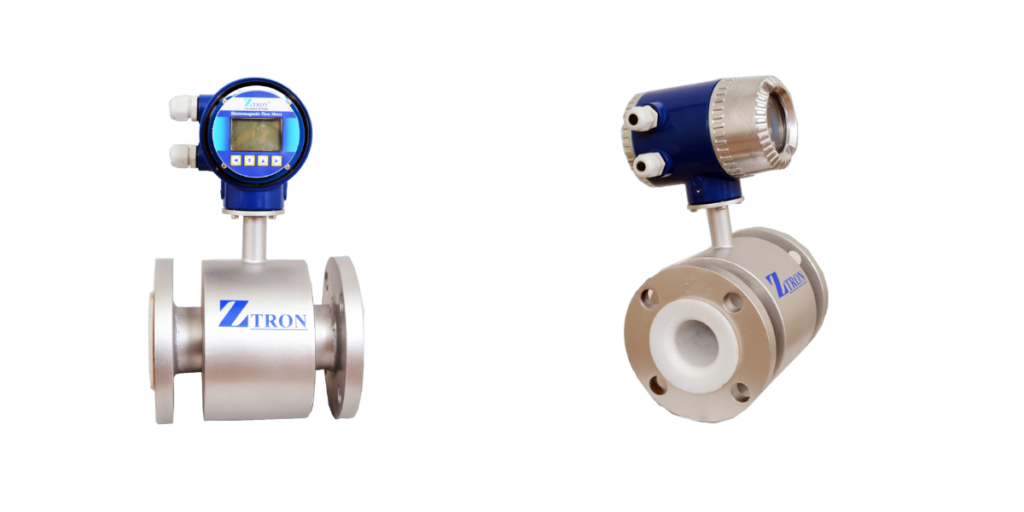
The volumetric flow of electrically conductive liquids can be measured using an electromagnetic flow meter, sometimes referred to as a mag meter. Electromagnetic flow meters rely on Faraday’s Law of Electromagnetic Induction, in contrast to conventional mechanical flow meters that employ moving elements to measure flow. Faraday’s Law states that a conductive liquid produces a voltage according to the flow velocity when it moves through a magnetic field. Electrodes pick up this voltage and translate it into a flow rate measurement. Electromagnetic flow meters are perfect for industrial applications because they have no moving parts, which guarantees inexpensive maintenance, excellent accuracy, and long-term dependability. We are the best Electromagnetic Flow Meter Supplier in Mumbai.
Why Choose Major Instruments

1. Precision and Accuracy
  • A reputable electromagnetic flow meter manufacturer ensures that each device delivers high-precision measurements. These flow meters operate on Faraday’s law of electromagnetic induction, making them highly accurate for conductive liquids. Choosing a manufacturer with strong technical expertise guarantees flow meters with minimal error margins, which is crucial for industries like water treatment, chemicals, food & beverages, pharmaceuticals, and oil & gas.
2. Durability and High-Quality Materials
  • The longevity of an electromagnetic flow meter largely depends on the quality of materials used. Trusted manufacturers use corrosion-resistant materials, such as stainless steel and high-quality liners, ensuring the meter can withstand harsh industrial environments. This reduces maintenance costs and minimizes downtime, providing long-term value to your operations.
3. Customised Solutions
  • Every industrial process is unique, and a one-size-fits-all approach rarely works. Leading electromagnetic flow meter manufacturers offer tailored solutions, including custom sizes, diameters, electrode materials, and signal outputs to match your system requirements. This ensures optimal performance and seamless integration into your existing processes.
4. Advanced Technology and Innovation
  • A credible manufacturer continuously invests in research and development to incorporate advanced technologies into their flow meters. Features like digital displays, remote monitoring, IoT connectivity, and high-speed data logging make the meters more efficient and user-friendly. Choosing such a manufacturer ensures your equipment remains modern and compatible with evolving industrial standards.
5. Comprehensive Support and Service
  • Reliable manufacturers provide full technical support, from installation guidance to calibration and maintenance services. This is critical for ensuring consistent performance over the lifespan of the flow meter. Access to training, troubleshooting, and spare parts availability further enhances the user experience and protects your investment.
6. Compliance with Industry Standards
  • Electromagnetic flow meters must comply with international standards such as ISO, CE, and other local certifications to guarantee safety and reliability. Trusted manufacturers adhere strictly to these standards, ensuring their meters meet the highest quality and safety benchmarks. This is particularly important for industries where regulatory compliance is mandatory.
7. Cost Efficiency and Long-Term Savings
  • While it might be tempting to choose cheaper alternatives, investing in a high-quality electromagnetic flow meter from a reliable manufacturer ensures accuracy, durability, and minimal maintenance costs. Over time, the savings from reduced downtime, fewer repairs, and improved operational efficiency outweigh the initial investment.
8. Proven Industry Reputation
  • A well-established electromagnetic flow meter manufacturer typically has a track record of successful installations across various industries. Customer testimonials, case studies, and industry certifications reflect reliability, technical expertise, and excellent after-sales service. Partnering with such a manufacturer reduces risks and enhances confidence in your investment.
8. Global Reach and Availability of Spare Parts
  • Established manufacturers often provide a global supply network, making it easier to procure spare parts, replacement meters, or upgrades without delays. This ensures uninterrupted operations, even in remote locations, and minimises the risk of production downtime.

Applications of Electromagnetic Flow Meters

1. Water and Wastewater Management
  • Electromagnetic flow meters are widely used in water treatment plants, sewage systems, and wastewater management facilities. They help in:
  • Accurately measuring water consumption in municipal supply networks.
  • Monitoring wastewater discharge to comply with environmental regulations.
  • Optimising chemical dosing processes in treatment plants.
2. Chemical and Pharmaceutical Industry
  • In industries where precise flow measurement is critical for maintaining quality and safety, mag meters provide reliable solutions. Applications include:
  • Measuring the flow of corrosive and conductive chemicals.
  • Monitoring liquid transfer in pharmaceutical manufacturing.
  • Ensuring accurate batching and mixing of liquid chemicals.
3. Food and Beverage Industry
  • The food and beverage sector requires hygienic and accurate flow measurement systems. Electromagnetic flow meters are ideal because they have no moving parts and can handle various liquid viscosities:
  • Measuring milk, juices, syrups, and other conductive beverages.
  • Monitoring water usage in production lines.
  • Ensuring proper dosing in bottling and packaging processes.
4. Pulp and Paper Industry
  • The pulp and paper industry relies heavily on precise flow measurement for pulp stock, chemicals, and wastewater:
  • Monitoring pulp slurry flow to optimise production.
  • Controlling chemical additives during processing.
  • Managing water usage and recycling efficiently.
5. Mining and Mineral Processing
  • In mining operations, electromagnetic flow meters are used for slurry flow measurement, ensuring process efficiency and safety:
  • Measuring abrasive slurries in ore processing.
  • Controlling chemical reagents in mineral separation processes.
  • Monitoring water usage in mining operations.
6. Energy and Power Plants
  • Power plants utilise mag meters to ensure smooth operations in cooling, chemical treatment, and energy generation systems:
  • Monitoring cooling water flow in thermal and nuclear plants.
  • Controlling chemical dosing in water treatment for boilers.
  • Measuring conductive fluids in various energy applications.
7. Other Industrial Applications
  • Electromagnetic flow meters are versatile and can be used in many other industries:
  • Petrochemical and oil refining for conductive liquid monitoring.
  • Metal processing industries for chemical solutions and effluent monitoring.
  • HVAC systems for monitoring chilled water and heating fluids.

Table of Specifications Electromagnetic Flow Meters

FeatureSpecification
MaterialElectromagnetic Flow Meters
Accuracy±0.5% of reading
Pipe Diameter Range10 mm to 3000 mm
Flow Velocity Range0.3 m/s to 12 m/s
Liner MaterialPTFE / Rubber / PFA
Electrode MaterialStainless Steel / Hastelloy / Titanium
Operating Temperature-20°C to 180°C
Output Signals4–20 mA, Pulse, Frequency, Modbus
Power Supply85–265V AC / 24V DC
Protection LevelIP65 / IP67
ApplicationsWater, Wastewater, Chemicals, Slurry, Food & Beverage

Benefits of Electromagnetic Flow Meter

1. High Accuracy and Reliability
  • A trusted manufacturer ensures that each electromagnetic flow meter delivers precise measurements, typically with an accuracy of ±0.5% of the flow rate. This precision is crucial for industries such as water treatment, chemical processing, pharmaceuticals, and food & beverage, where accurate flow measurement directly impacts product quality, process efficiency, and cost management.
2. Customised Solutions for Specific Industries
  • Reputable manufacturers offer a wide range of models and can customise flow meters to suit specific industry requirements. This includes varying pipe sizes, materials compatible with corrosive fluids, high-temperature applications, and sanitary-grade meters for sensitive industries like pharmaceuticals and food processing.
3. Durable and Long-Lasting Products
  • Top electromagnetic flow meter manufacturers use high-quality materials such as stainless steel, PTFE lining, and robust electrodes that resist wear, corrosion, and chemical damage. This durability reduces maintenance costs and ensures long-term performance, making the initial investment highly cost-effective.
4. Easy Installation and Low Maintenance
  • Well-engineered electromagnetic flow meters from established manufacturers are designed for simple installation and integration into existing piping systems. They often come with user-friendly digital displays, remote monitoring options, and low-maintenance designs that eliminate the need for moving parts, reducing the risk of downtime.
5. Advanced Technology and Innovation
  • Leading manufacturers continuously adopt advanced technologies such as smart transmitters, remote diagnostics, and wireless communication. These features allow for real-time monitoring, predictive maintenance, and data-driven decision-making, which improves operational efficiency and minimises losses due to inaccuracies.
6. Compliance with Industry Standards
  • Reliable manufacturers ensure their products comply with international standards such as ISO, CE, and ANSI, as well as industry-specific regulations. This guarantees safety, reliability, and performance consistency, which is particularly important in critical applications like chemical processing, municipal water systems, and pharmaceutical production.
7. Comprehensive Technical Support and Service
  • Partnering with a trusted electromagnetic flow meter manufacturer provides access to technical support, installation guidance, calibration services, and after-sales service. This support helps industries troubleshoot issues quickly, maintain optimal performance, and extend the lifespan of the equipment.
8. Cost Efficiency and ROI
  • Although electromagnetic flow meters may have a higher upfront cost compared to traditional mechanical meters, the accuracy, reliability, and low maintenance result in significant long-term savings. Reduced downtime, fewer maintenance interventions, and accurate billing or process control contribute to a faster return on investment.

Types of Electromagnetic Flow Meters

1. Insertion Electromagnetic Flow Meters

Insertion-type electromagnetic flow meters are designed for large-diameter pipelines. Instead of being installed inline, the sensor is inserted into the pipe, making it highly cost-effective for big flow systems.

Key Features:

  • Suitable for large-diameter pipes where full-bore meters are impractical.
  • It can be installed without shutting down the system.
  • Offers high accuracy for liquids with good conductivity.
2. Full-Bore Electromagnetic Flow Meters

Full-bore or inline electromagnetic flow meters are installed directly into the pipe, allowing the entire fluid flow to pass through the meter. This type ensures maximum accuracy and is commonly used in industrial processes.

Key Features:

  • High precision and repeatability.
  • No moving parts, reducing maintenance.
  • Suitable for dirty or corrosive liquids.
3. Wafer or Compact Electromagnetic Flow Meters

Wafer-type meters, also called compact mag meters, are lightweight and fit between two flanges of a pipeline. They are preferred where space is limited.

Key Features:

  • Compact design ideal for limited spaces.
  • Easy installation and low maintenance.
  • Available for a wide range of pipe sizes.
4. Magnetic Flow Meters with Liner Variations

Electromagnetic flow meters often use different liner materials depending on the fluid type:

  • PTFE Liner: Resistant to corrosive chemicals.
  • Rubber Liner: Suitable for slurries and abrasive liquids.
  • Polyurethane Liner: Handles slurries with higher viscosity.
5. Portable Electromagnetic Flow Meters

Portable mag meters are handheld or temporarily installed devices for field measurements. They are commonly used for diagnostics, commissioning, or temporary monitoring.

Key Features:

  • Easy to transport and use in different locations.
  • Requires minimal setup.
  • Provides reliable readings for temporary installations.

Conclusion

Selecting the best electromagnetic flow meter manufacturer is essential in a time when accuracy, dependability, and efficiency are essential. In Maharashtra, Major Instruments is a reputable supplier of superior, cutting-edge, and adaptable electromagnetic flow meters. We are the best Electromagnetic Flow Meter Supplier in Nashik.

Major Instruments provides solutions that optimise industrial operations, lower maintenance costs, and boost productivity, whether they are used for power generation, food and beverage production, water treatment, or chemical processing. Major Instruments is more than just a manufacturer for Maharashtra’s businesses looking for precise flow measurement solutions; they are a partner in operational excellence.

Back To Blog